All Categories
Featured
Table of Contents
"Huge ticket purchases were back on the table with car sales notably greater, individuals were currently reserving their summertime holidays, and accounting professionals and bookkeepers saw a spike in work as services gotten ready for the substantial modification of Making Tax Digital which went live at the start of April." Hewson added the recover from in 2015's cyber-attack on Jaguar Land Rover was continuing to power the production sector as the supply chain raced to take benefit of bottled-up demand.
"This will have only been intensified by the situation in the Middle East, which has changed the anticipated path of rates of interest." Barret Kupelian, primary financial expert at PwC, added: "Had the UK economy begun to turn a corner after the Fall Statement and before the most recent advancements in the Middle East? Today's information recommends it had.
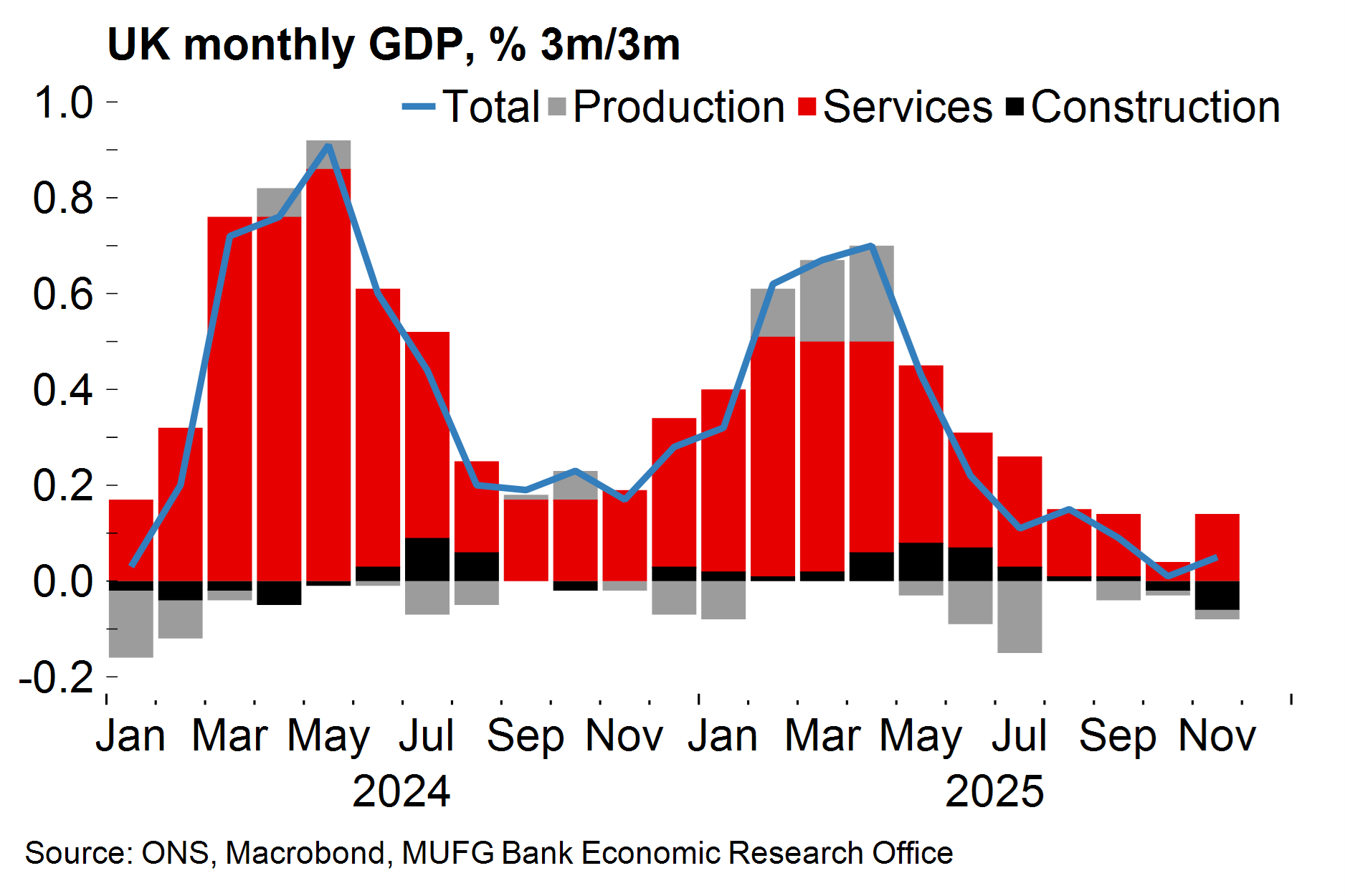
Output grew by 0.5% in the three months to February, with both production and services expanding together. "More notably, this was development powered by the economic sector rather than the general public sector-dominated parts of the economy that had propped up much of the post-2023 picture. That recommended the healing was becoming broader and more long lasting.
Our summer season outlook most likely isn't as bad as England's chances of winning the World Cup this summer, but it still does not make for the most pleasant reading. The Iran conflict has risen our inflation projection, weighing on development and the labour market. Domestic political uncertainty, including yet another modification in Prime Minister, includes further headwinds through greater borrowing expenses and gilt yield pressure.
The risks to that outlook are bigger than typical and greatly based on how the scenario in the Middle East establishes. But the economy has grown at an average of 1.2% through two turbulent years, and the early signs suggest that resilience will hold. Growth will be slower than in 2015 and with inflation on its method back up the UK remains in for another batch of 'stagflation'.
Mastering British Enterprise Expansion for 2026
Dangers loom big, the war in the Middle East will decide whether the UK economy goes into economic crisis. Partner Between the Iran conflict and yet another tussle for no. 10, this summertime's outlook brings a much larger health caution than typical. Our base case is slower growth and increasing inflation, but not economic downturn.
The UK is particularly exposed provided its dependence on gas for electricity rates, which is why the International Monetary Fund (IMF) has actually modified its UK inflation and growth forecasts more dramatically than any other developed economy. Inflation briefly dipped listed below 3% for the first time given that early 2025, but the reprieve will be temporary.
%3Aquality(80)%3Afill(transparent)&w=3840&q=75)
A weaker labour market and softer need must prevent a repeat of 2022's double-digit spike, limiting second-round results. Our base case is inflation balancing 3.1% in 2026, peaking around 3.5%, before easing to 2.5% in 2027, though risks loom big if the Strait of Hormuz remains closed. The UK labour market was already softening before the current energy shock, with unemployment rising to 5.0% and jobs at their lowest given that the pandemic.
Firms are not yet shedding personnel, but unwillingness to work with is expanding the gap in between task development and population growth. Higher energy costs will intensify the pressure, and we expect joblessness to peak at 5.3% by year end. With wage growth slowing to around 3.75% and inflation heading towards 3.5%, genuine pay looks set to be stagnant another difficult year for living requirements.
Three factors restrict the case for walkings: the energy shock is smaller sized than in 2022, rates are already at a restrictive level, and a weaker economy reduces the risk of second-round inflation results. That stated, rate increases can not be ruled out if energy costs surge even more. Gilt yields are most likely to stay elevated regardless, driven by the UK's inflation level of sensitivity and political uncertainty around a potential change of Prime Minister, keeping loaning expenses high across the economy even if the policy rate remain on hold.
Strategic Corporate Funding Projections for British Mid-Market Sectors
The UK is particularly exposed provided its reliance on gas for electricity prices, which is why the International Monetary Fund (IMF) has revised its UK inflation and development projections more greatly than any other developed economy. Inflation briefly dipped below 3% for the very first time considering that early 2025, however the reprieve will be temporary.
A weaker labour market and softer demand need to prevent a repeat of 2022's double-digit spike, restricting second-round results. Our base case is inflation averaging 3.1% in 2026, peaking around 3.5%, before relieving to 2.5% in 2027, though dangers loom large if the Strait of Hormuz remains closed. The UK labour market was currently softening before the most current energy shock, with unemployment rising to 5.0% and vacancies at their least expensive given that the pandemic.
Firms are not yet shedding personnel, however hesitation to employ is widening the space in between job development and population growth. Greater energy expenses will intensify the pressure, and we expect joblessness to peak at 5.3% by year end. With wage growth slowing to around 3.75% and inflation heading towards 3.5%, genuine pay looks set to be stagnant another tough year for living requirements.
Three aspects restrict the case for walkings: the energy shock is smaller than in 2022, rates are already at a limiting level, and a weaker economy minimizes the risk of second-round inflation results. That stated, rate increases can not be dismissed if energy rates rise further. Gilt yields are likely to remain elevated regardless, driven by the UK's inflation sensitivity and political unpredictability around a potential modification of Prime Minister, keeping borrowing expenses high throughout the economy even if the policy rate remain on hold.

Latest Posts
Adopting IT Systems for Workforce Efficiency
Strategic Corporate Management Tactics for 2026
Leveraging Corporate Funding for Mid-Market Growth